This Mom Wears Her Heart on Her Sleeve
A Designer’s First Look: Warm, Clear, and Quietly Confident
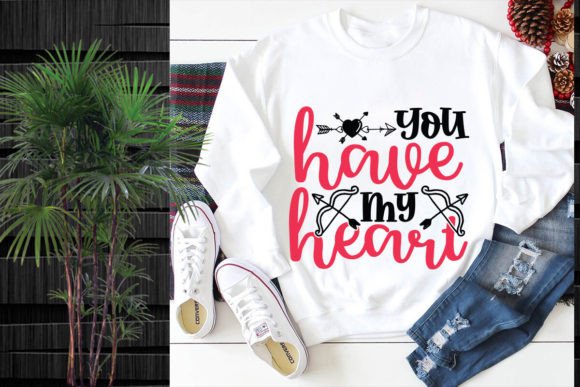
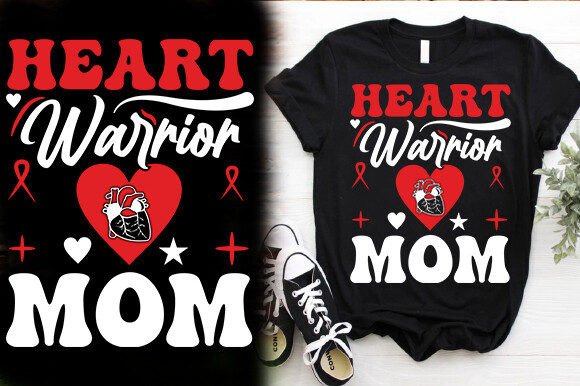
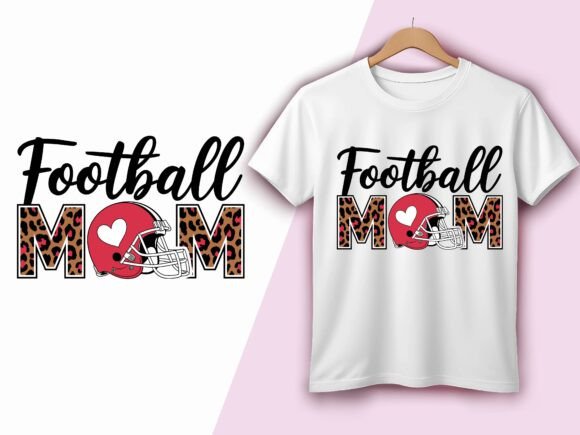
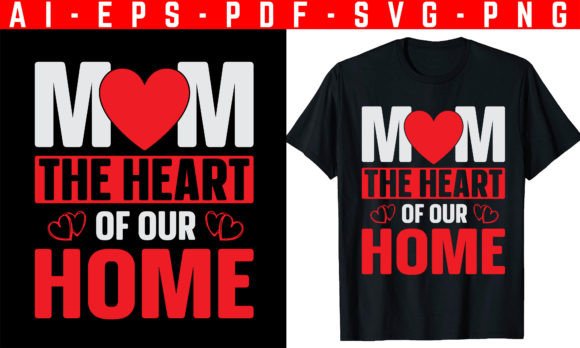
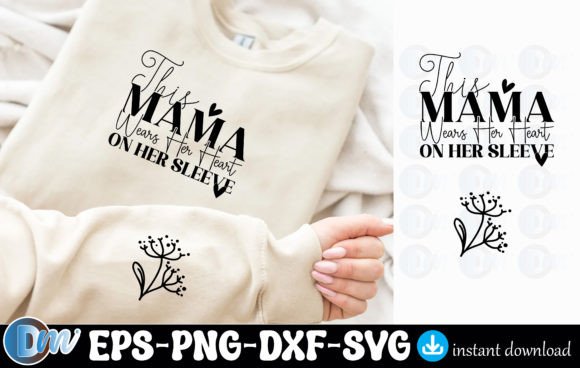
When I opened This Mom Wears Her Heart on Her Sleeve for the first time, I didn’t see a “cute mom graphic”—I saw a quiet moment of intention. The composition is centered, balanced, and uncluttered: a soft heart shape nestled just above a clean, slightly rounded sleeve cuff. There’s no excessive ornamentation, no forced whimsy—just warmth, sincerity, and visual breathing room. That matters more than you’d think when translating a digital file into thread and fabric.
Real Project Test: A Linen Tote Bag for a Local Baby Boutique
Last week, I prepped this design for a custom linen tote bag—part of a small-batch collection for a neighborhood baby boutique. We used medium-weight cotton-linen blend fabric, tear-away stabilizer, and 40-weight rayon thread in blush pink and charcoal gray. The result? Crisp edges, smooth satin-stitched heart contours, and lettering that held its shape without bleeding or distortion—even at 3.5 inches wide. Customers noticed it immediately: not because it shouted, but because it felt *true*. That’s the quiet strength of This Mom Wears Her Heart on Her Sleeve: it lands emotionally before it registers visually.
Where It Shines (and Where It Asks for Care)
This Mom Wears Her Heart on Her Sleeve performs best on stable, mid-weight fabrics where stitch definition can breathe—think sweatshirt embroidery, tote bag design, pillow covers, tea towels, and structured aprons. It reads beautifully on light-to-medium fabric texture, especially with thoughtful thread color pairing. On dark fabric, a white or cream heart pops with gentle contrast; on light fabric, deep rose or navy thread adds grounded warmth.
That said, it’s not a one-size-fits-all embroidery file. Avoid pushing it onto stretchy knits like baby onesies without proper cut-away stabilizer and reduced stitch density. Tiny hoop sizes (under 4” diameter) risk losing clarity in the sleeve detail—test first. Curved surfaces like caps or rolled cuffs demand careful digitizing adjustments (this SVG isn’t pre-digitized for embroidery machines, so conversion work is needed). And while the lettering is legible, it’s not built for sub-2-inch scaling—tiny lettering on infant bibs or keychain patches may require simplification.
Design Integrity in Action
What makes This Mom Wears Her Heart on Her Sleeve feel professional—not just printable—is how well its simplicity supports handmade product values. It doesn’t distract from the craft; it elevates it. When stitched cleanly, it signals care, consistency, and emotional intelligence—not just technical skill. That builds customer trust faster than any tagline. For Etsy sellers and small shop owners, that translates directly to higher perceived value, better photo mockups, and stronger repeat engagement. I’ve seen buyers pause mid-scroll to read the phrase aloud—it’s memorable, relatable, and gift-ready.
Practical Notes Every Embroidery Designer Should Check
- Test before committing: Run a sample on scrap fabric matching your final project’s weight and stretch.
- Stabilizer isn’t optional: Medium tear-away works for totes and sweatshirts; switch to cut-away for baby embroidery or knit garments.
- Thread colors change everything: Try high-contrast combos (e.g., burgundy heart + slate gray sleeve) in printable mockups before stitching.
- Review stitch density: Overly dense fill areas can cause puckering on lightweight fabrics—adjust if needed during digitizing.
- Hoop size matters: Measure your smallest viable hoop area before placing the design on curved or narrow surfaces.
- Check licensing: This SVG design is marketed for cutting machines and craft use—but confirm commercial rights before selling finished embroidered products or reselling as a digital embroidery file.
- Inspect corners and curves: Zoom in on the sleeve cuff and heart base—look for jagged vectors or thin anchor points that may not translate smoothly to stitch paths.
- Compare black-and-white mockups: If your design will appear on both light and dark backgrounds, verify readability without color crutches.
More Than a T-Shirt Design—It’s a Tone Setter
Calling This Mom Wears Her Heart on Her Sleeve just a “T-Shirt Design” undersells it. Yes, it works on tees—but its real power lies in setting tone across handmade product categories. It softens the formality of an apron for a baking class, adds tenderness to a holiday embroidery gift for a new aunt, and grounds boutique branding with authenticity. As a graphics asset, it bridges personal sentiment and professional polish—rare in motherhood-themed design assets.
Final Thought: It’s Not About Perfection—It’s About Presence
I don’t reach for This Mom Wears Her Heart on Her Sleeve when I need flash. I reach for it when I want resonance. When a client asks for something that feels handmade *and* meaningful—something that honors the quiet labor of motherhood without cliché—that’s when this design earns its place in my active embroidery project folder. It reminds me that the strongest machine embroidery designs aren’t the most complex—they’re the ones that leave space for the person wearing them to be seen.