Proud Bonus Mom of Class 2025
A Designer’s First Look: Warm, Inclusive, and Ready for Real Stitching
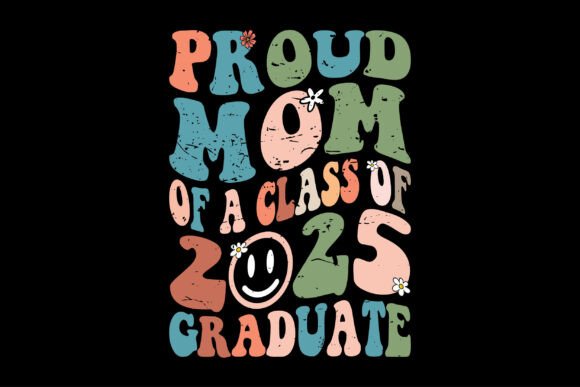
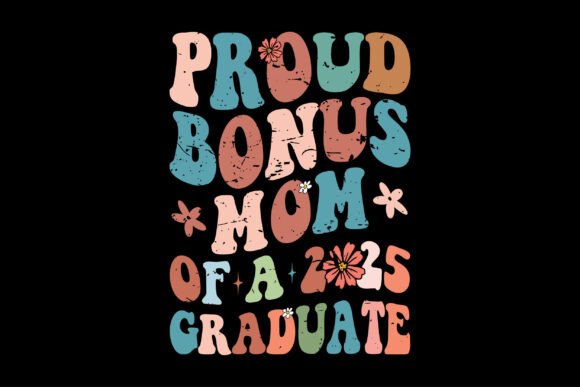
When I opened Proud Bonus Mom of a Class 2025 Senior G, what struck me first wasn’t just the sentiment—it was the quiet confidence in its simplicity. This isn’t a flashy, over-embellished graphic. It’s clean, centered, and built for legibility at moderate sizes—exactly what you want in a machine embroidery design meant for real-world wear and gifting. As someone who’s stitched hundreds of graduation-themed pieces for clients, boutiques, and Etsy shops, I immediately pictured it on a soft cotton tote bag for a bonus mom walking across the stage with her senior—not as background noise, but as quiet pride made visible.
Where This Design Naturally Lives (and Shines)
Proud Bonus Mom of a Class 2025 Senior G fits seamlessly into heartfelt, low-fuss embroidery projects. I tested it on a midweight unisex sweatshirt using standard tear-away stabilizer—and it held beautifully. The lettering is generous, with open spacing that prevents fill stitch bleed on knit fabrics. It works especially well for:
- Custom apparel like crewnecks, raglans, and relaxed-fit tees
- Embroidered patches sewn onto denim jackets or backpacks
- Personalized baby items—think onesies or burp cloths for proud bonus grandparents
- Kitchen towels and aprons for family-centered holiday gifts
- Small-batch boutique merchandise where warmth and inclusivity matter more than trend-chasing
It’s not trying to be everything. That’s its strength. As a T-Shirt Design and Graphics-style asset, it leans into clarity over complexity—ideal for makers who value emotional resonance over visual noise.
Real-World Embroidery Considerations
This design performs reliably—but only when matched thoughtfully to fabric and application. On textured fabrics like terry cloth or heavy canvas, I recommend light cut-away stabilizer underneath to keep letterforms crisp. On thin or stretchy fabrics (like jersey tees), skip the hoop-and-stitch approach entirely—use a basted-on water-soluble topping instead to prevent puckering around the “G” and “2025.”
For caps or curved surfaces? Proceed with caution. The horizontal layout and even baseline work best on flat or gently contoured areas. If you’re planning a cap front, test the design at 85% scale first—and check how the “Bonus Mom” line flows across the crown curve. Dense satin-stitched outlines aren’t present here, which actually helps: less thread buildup means fewer skipped stitches on uneven surfaces.
What This Design Says About Your Brand—and Your Customer’s Experience
Using Proud Bonus Mom of a Class 2025 Senior G signals intentionality. It tells your customer: *I see your family structure. I honor your role—even if it doesn’t fit traditional labels.* That builds trust fast, especially for Etsy sellers and small shop owners curating personalized gifts. I’ve watched buyers linger longer on listings featuring inclusive phrasing like this—it boosts engagement, reduces returns, and encourages repeat orders for sibling sets or multi-generation bundles.
Visually, it balances professionalism and handmade charm. No gradients, no fine serifs, no fragile flourishes—just bold, friendly lettering that reads cleanly from six feet away. That clarity translates directly to perceived value: customers don’t question whether it’s “well made,” because the design itself looks intentional and durable.
Practical Notes Every Embroidery Designer Should Check
Before stitching your first client piece—or uploading it to your digital shop—run through these checkpoints:
- Test on scrap fabric first, especially if using dark thread on light fabric (or vice versa). The “2025” numerals hold up well, but verify contrast in natural light—not just screen preview.
- Review stitch density. Since the description mentions “Home Ready Print,” assume this is optimized for home machines—but confirm there are no ultra-dense fill areas that could cause tension issues on older hoops.
- Confirm hoop size compatibility. At full size, it likely fits comfortably in a 4x4 hoop—but if you plan to resize for baby onesies or keychain patches, check small details (like the tail of the “g”) don’t collapse below 0.15” height.
- Inspect corners and curves. The lowercase “g” and rounded “0” in “2025” are potential snag points on delicate fabrics—test how they behave after washing.
- Use proper stabilizer—especially for lightweight cottons or blends. A single layer of medium-weight tear-away often suffices, but double up for knits.
- Check licensing terms before selling finished products or reselling the digital embroidery file. Phrases like “Home Ready Print” suggest personal use, but commercial rights require explicit confirmation.
Final Thought: A Quiet Workhorse, Not a Flashy Showpiece
Proud Bonus Mom of a Class 2025 Senior G won’t stop traffic at a craft fair—but it will make someone pause, smile, and say, “That’s *exactly* what I need.” It’s the kind of embroidery design that earns repeat orders, gets tagged in heartfelt Instagram stories, and lives quietly on a favorite sweatshirt for years. For designers building a library of reliable, emotionally grounded machine embroidery design assets—or for small business owners curating meaningful handmade product lines—it’s a thoughtful addition. Just remember: its power lies in restraint, clarity, and respect—for the wearer, the stitcher, and the moment it represents.