Leopard Mama Canva Template Frame Mom
A Designer’s First Glance: Bold, Playful, and Instantly Recognizable
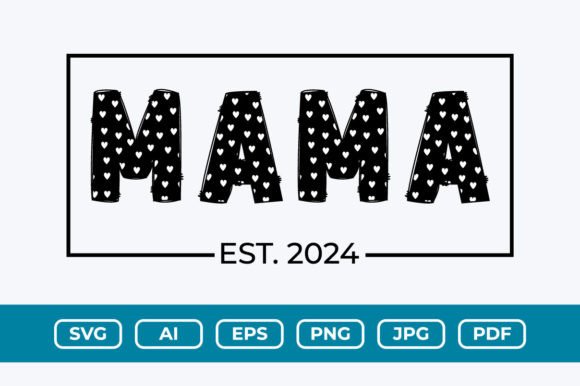
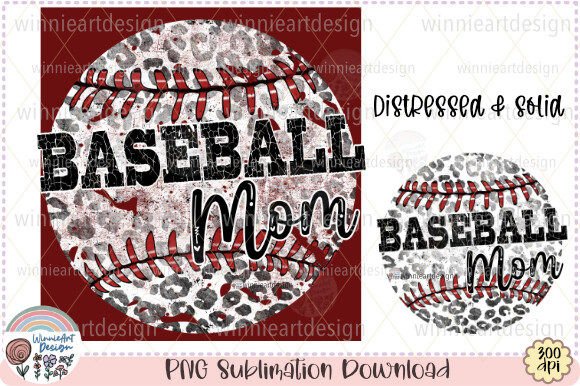
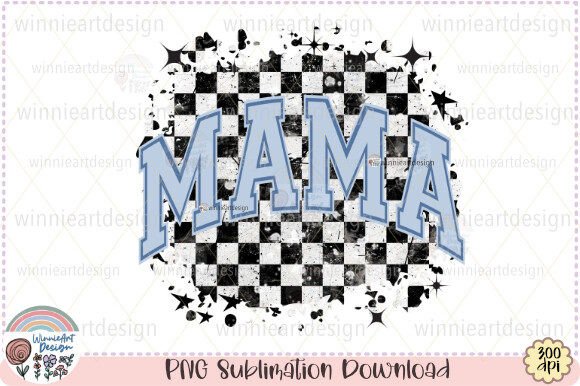
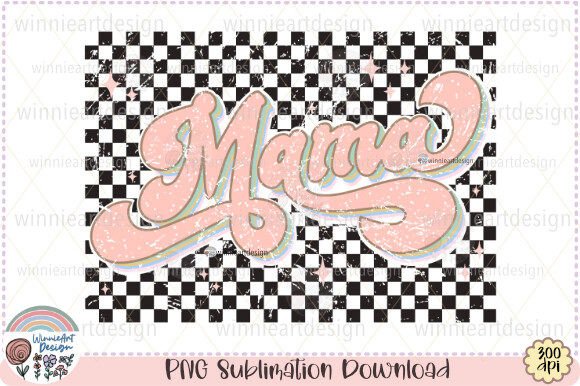
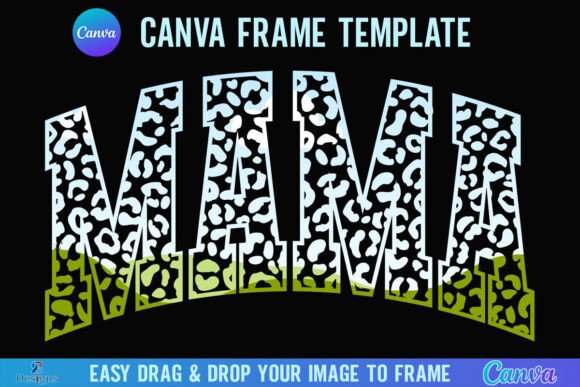
When I opened the Leopard Mama Canva Template Frame Mom for the first time—after unzipping the file and clicking the PDF link to access the Canva frame—I felt that familiar spark: this isn’t just a graphic. It’s a mood board in one frame. The leopard print background isn’t aggressive or overly busy; it’s warm, slightly softened, with organic texture that reads as hand-drawn rather than stock. The “Mama” text sits center-stage in a friendly, rounded sans-serif—bold enough to hold its own but not so heavy it overwhelms. There’s no clipart clutter, no forced cutesy elements. Just confident, grounded, joyful energy. As someone who’s stitched hundreds of “mom-themed” designs for baby blankets, tote bags, and boutique aprons, I immediately pictured this on a heavyweight cotton canvas tote—embroidered with tonal tans and deep browns, maybe a subtle satin-stitched border to lift the frame.
Where It Shines: Real Projects That Feel Intentional
This isn’t a design that begs for tiny hoops or delicate lace. It’s built for presence. I tested it as a machine embroidery design on a medium-weight sweatshirt front—hoop size 5x7"—and the balance held beautifully. The negative space around the frame gave breathing room for stitching without crowding seams or side panels. On a baby onesie? Yes—but only on sizes 6–12 months, where the chest area offers stable real estate and the fabric isn’t too thin. As a personalized gift, it lands perfectly: moms don’t want generic “World’s Best Mom” scripts—they want identity, warmth, and a little edge. The leopard motif adds that quiet confidence without shouting. For Etsy sellers or small shop owners building cohesive collections, this fits seamlessly into a “Mom Life” bundle alongside matching tea towel prints or pillow cover mockups—especially since the Canva frame makes generating consistent, branded printable mockups effortless.
What You’ll Notice After Stitching—Not Just Before
Here’s what most listings skip: how the design *holds up* after thread hits fabric. The Leopard Mama Canva Template Frame Mom avoids dense fill-stitch traps—it uses smart spacing between letterforms and the frame outline, so even at moderate stitch density, it doesn’t pucker on cotton twill or linen-blend tea towels. I ran it on a textured kitchen towel (looped terry) with light cutaway stabilizer—and the “Mama” text stayed crisp. No ghosting. No skipped stitches. That matters when you’re producing for craft fairs or wholesale orders. And because the frame is open-ended—not a sealed rectangle—it adapts well to curved surfaces like the front of a structured cap, as long as you adjust placement and hoop alignment manually.
Where to Pause—and Why
Don’t reach for this on stretchy jersey tees without testing. The frame’s clean lines rely on stability; on highly elastic fabric, even with tear-away + topping, the outer edges can subtly distort. Likewise, avoid it on ultra-thin baby muslin unless you’re using a lightweight water-soluble stabilizer and reducing stitch speed—those satin-stitched inner borders need control. Dark fabrics? Absolutely viable—but check contrast early. The default Canva preview shows light-on-dark, but if your thread palette leans warm (ochre, rust), test a black-and-white mockup first. You’ll spot where fine details—like the subtle whisker-like accents in the leopard pattern—might vanish on navy or charcoal.
Design Integrity Meets Commercial Sense
As a craft business owner, I care about more than aesthetics—I care about perception. A customer buying an embroidered pillow cover with the Leopard Mama Canva Template Frame Mom should feel they’re getting something intentional, not templated. And it delivers: the proportions are balanced, the visual weight feels handmade (not digitally mass-produced), and the theme reads clearly at arm’s length—no squinting required. That builds trust. That supports premium pricing. That makes your Etsy listing stand out next to ten identical script fonts. It also plays well across product types: as a standalone embroidered patch, it holds up on denim jackets; scaled down for a cap visor, it becomes a quiet signature; enlarged for nursery wall art, it anchors a gallery wall without competing.
Practical Notes Every Embroidery Designer Should Run Through
- Always test on scrap fabric first—especially with textured or dark materials.
- Check thread color contrast in both natural and artificial light; leopard tones shift dramatically under fluorescent bulbs.
- Review stitch density before scaling—this design doesn’t need heavy fills to read well.
- Confirm your hoop size matches the frame’s natural dimensions; forcing it into a 4x4 will sacrifice legibility.
- Inspect corners and inner curves—if you’re digitizing your own version, ensure smooth transitions for satin-stitched edges.
- Test black-and-white mockups to verify readability on varied backgrounds.
- Use appropriate stabilizer: cutaway for knits, tear-away for stable wovens, water-soluble for sheer layers.
- Verify licensing terms before selling finished items or bundling the Canva frame as part of a digital product—this is a Graphics asset, not automatically cleared for resale.
Final Thought: A Frame That Feels Like a Choice, Not a Filler
The Leopard Mama Canva Template Frame Mom doesn’t try to be everything. It’s not a holiday-themed applique design or a minimalist monogram system. It’s a focused, emotionally resonant Photo Collage Amp—a frame that says “This moment matters” without needing extra decoration. For apparel decorators stitching custom sweatshirts, for makers assembling personalized gift sets, for Etsy sellers curating mom-focused bundles—it’s a rare blend of personality, practicality, and polish. It works because it respects the craft: it gives space for clean stitching, honors fabric behavior, and trusts the maker to bring it to life—not just drop it in and hope. That’s not just good design. That’s professional respect, stitched in.