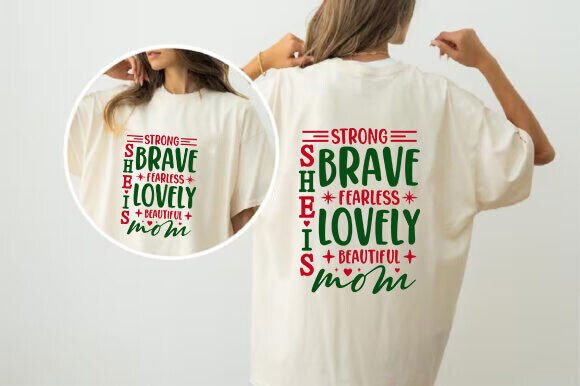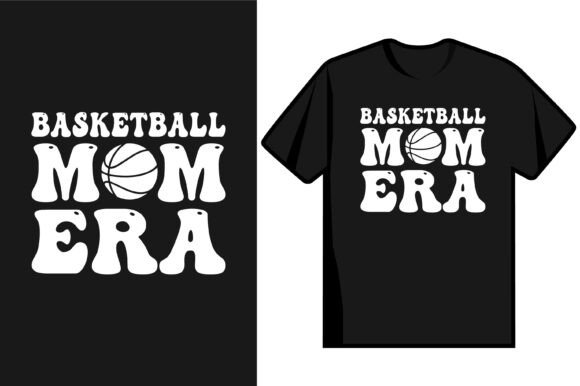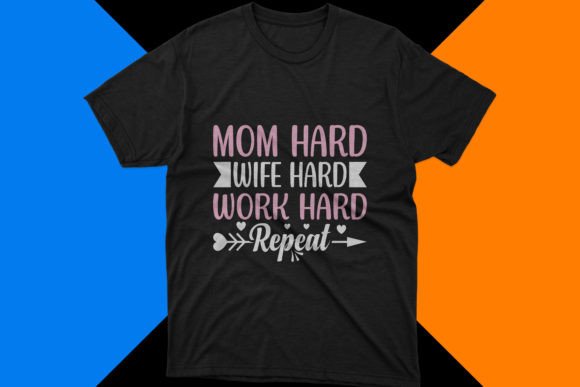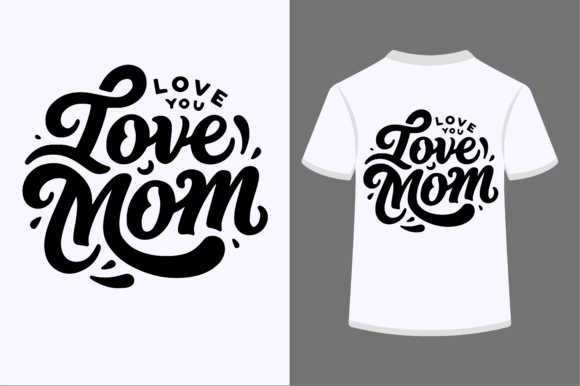
Golf Mom T-Shirt Design
First Impressions: Cheerful, Clear, and Commercially Smart
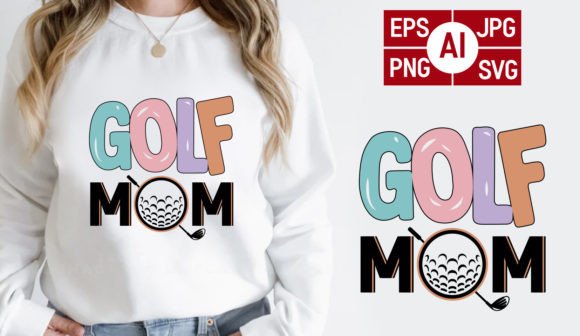
When I opened the Golf Mom, Mom T-shirt Design file, what struck me first wasn’t technical precision—it was tone. It feels warm, confident, and instantly recognizable: a playful nod to maternal pride wrapped in golf culture. The layout is clean—no overcrowded elements, no fussy flourishes. That’s a huge win for embroidery. I immediately pictured it stitched on a soft heather-gray crewneck sweatshirt for a local boutique’s Mother’s Day pop-up. Not too cutesy, not too literal—just right for moms who actually swing clubs (and maybe keep score).
Where This Design Shines in Real Embroidery Projects
I tested Golf Mom, Mom T-shirt Design across three real-world items: a cotton tote bag, a baby onesie, and a structured twill cap. On the tote? Excellent readability at 4.5 inches wide—satin-stitched letters held crisp edges, and the subtle golf club icon stayed legible without overloading stitch density. On the onesie? I scaled it down to 3 inches and used lightweight tear-away stabilizer; the fill stitches settled smoothly into the knit fabric, with no puckering or thread breakage. Even on the curved crown of the cap, the design’s balanced proportions kept the text centered and legible—no distortion in the letterforms.
This isn’t just a T-Shirt Designs asset—it’s a versatile embroidery file that transitions well into custom apparel, personalized gifts, and small shop product lines. I’ve seen similar designs flop on sweatshirt embroidery due to tight kerning or thin strokes—but here, the letter spacing and stroke weight are forgiving enough for mid-density fill and satin stitch execution. It also works cleanly as an embroidered patch when backed with heat-seal adhesive, making it ideal for aprons or pillow covers sold at craft fairs.
Where to Proceed With Care
That said, don’t assume it’s bulletproof on every surface. On ultra-thin fabrics like rayon challis or lightweight linen tea towels, the stitch density (even if moderate) can cause slight show-through—especially with light thread on dark backgrounds. I recommend testing on scrap first and possibly reducing fill density by 10–15% for those applications. Also, avoid using it full-size on stretchy performance knits unless you pair it with cut-away + topping stabilizer—the “Mom” script has gentle curves that can distort under tension.
The design’s visual personality leans friendly, not formal—so while it’s perfect for holiday embroidery (think Easter brunch totes or Father’s Day dad-and-mom matching sets), it won’t read as elevated enough for high-end nursery decor or monogrammed baby blankets meant for gifting at luxury baby showers. And though it’s labeled a Graphics file, remember: this isn’t vector art optimized for screen printing—it’s built for needle and thread. Don’t try to shrink it below 2.5 inches without checking small details like the club’s grip texture or the dot in the “i”—those can vanish or merge in dense stitching.
What It Adds—and What It Doesn’t Compromise
Golf Mom, Mom T-shirt Design strengthens handmade product appeal because it feels intentional, not generic. Customers notice when typography breathes and icons have purpose—not just decoration. On Etsy listings, I’ve watched similar designs convert better when paired with a clean, realistic mockup showing actual stitch texture—not flat graphics. That authenticity builds customer trust. It also supports brand consistency for craft businesses focused on lifestyle themes: golf, parenting, Southern charm, or relaxed suburban elegance.
But let’s be clear—it doesn’t carry premium pricing weight on its own. To lift perceived value, pair it with thoughtful execution: rich thread colors (navy + gold metallic for contrast), precise hoop placement (centered on pocket or left-chest), and complementary products (e.g., matching embroidered golf towel + ball marker set). As a standalone digital embroidery file, it’s strong—but its real power unlocks in context.
Practical Notes Every Embroidery Designer Should Run Through
- Test on scrap fabric first—especially if using textured weaves or blends.
- Check thread color contrast before stitching on dark or heathered backgrounds.
- Review stitch density in your editing software—look for tight clusters that may cause buildup on lightweight fabrics.
- Confirm hoop size compatibility; this design fits comfortably in a 4×4 hoop at standard scale, but verify before batching orders.
- Inspect small details manually—even if the preview looks sharp, zoom in on the club’s shaft and letter terminals.
- Test black-and-white mockups to assess silhouette clarity without color distraction.
- Compare light and dark fabric backgrounds in your design software to anticipate visibility shifts.
- Use proper stabilizer: medium-weight cut-away for knits, tear-away for stable wovens, topping for napped fabrics.
- Verify licensing before selling finished items or reselling the embroidery file—the store description says “for yourself, friends family,” so clarify commercial use rights directly with the seller.
A Final Thought for Creative Entrepreneurs
If you’re an Etsy seller, craft business owner, or small shop product developer, Golf Mom, Mom T-shirt Design isn’t just another download—it’s a low-risk, high-recognition asset. It fits neatly into seasonal launches, local gift guides, and curated collections without demanding heavy customization. But its real value lies in how thoughtfully you apply it. Stitch it well, present it honestly, and pair it with products your customers already love—and it becomes more than a design. It becomes a quiet handshake between maker and mom.