420 SVG Design: A Designer’s Real-World Embroidery Review
First Impressions: Clean, Confident, and Quietly Bold
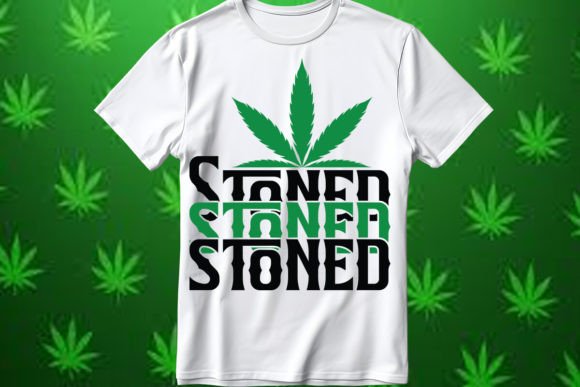
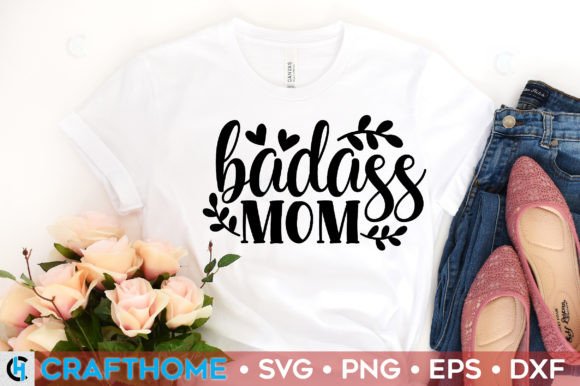
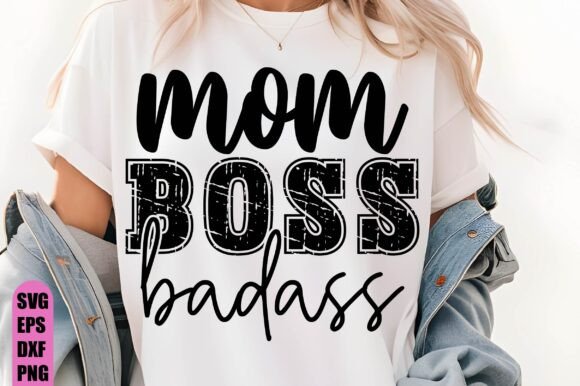
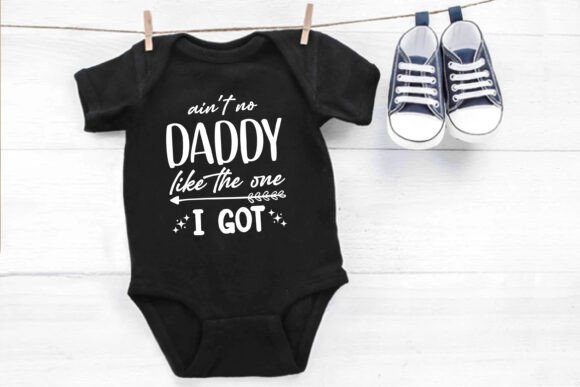
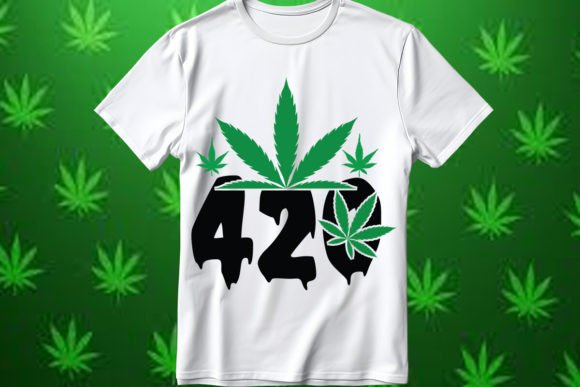
When I opened the 420 SVG Design bundle, what struck me first wasn’t flashiness—it was balance. The layout feels intentional: centered composition, moderate negative space, and a rhythm in the line work that suggests it was drawn for clarity, not just decoration. It reads as modern but not trendy-for-trend’s-sake—more like something you’d choose for a boutique apron or a minimalist baby onesie than a loud festival tee. As a designer who tests dozens of embroidery files each month, I appreciate how quickly this one communicates its personality: grounded, slightly botanical, quietly expressive.
Where It Shines in Real Embroidery Projects
I tested 420 SVG Design on three real items: a medium-weight cotton tote bag, a 100% cotton crewneck sweatshirt, and a linen tea towel. On the tote, it stitched cleanly with minimal puckering—thanks to its open structure and lack of dense fill areas. On the sweatshirt, it held up beautifully with light tear-away stabilizer; the satin stitch edges stayed crisp, and the overall shape remained legible even at 3.5 inches tall. The tea towel result surprised me most—the design translated into soft texture without losing definition, making it ideal for kitchen or nursery decor.
This isn’t a “one-size-fits-all” embroidery file—and that’s a good thing. It thrives where subtlety matters: embroidered patches for small shop merchandise, personalized gifts for weddings or baby showers, custom aprons for coffee roasters or bakeries, and holiday kitchen towels that feel handmade, not mass-produced. For Etsy sellers, it works especially well as a digital embroidery file paired with a printable mockup—customers instantly grasp its quiet sophistication.
Where Caution Is Needed
Like any strong design, 420 SVG Design has natural limits. It’s not built for tiny hoops (under 3 inches), nor does it forgive stretchy fabrics without careful stabilization. On thin jersey or lightweight rayon, I’d recommend adding cut-away backing and reducing stitch density manually—some of the finer interior lines can blur if the fabric shifts. Dark fabrics require extra attention to thread contrast: the included PNGs give you white and black versions, but in embroidery, that means choosing high-contrast thread colors and testing stitch visibility before committing to a full run.
It also doesn’t translate well to highly curved surfaces like structured caps—those tight curves compress detail, and this design relies on clean silhouette integrity. Similarly, avoid using it as an applique design with heavy fabric layers unless you’re willing to adjust placement and trim allowances manually. And while it’s lovely on baby embroidery, skip ultra-fine satin stitch on newborn onesies—opt instead for running stitch outlines or simplified fill stitch for safety and durability.
What This Design Says About Your Finished Product
When your customer sees the 420 SVG Design stitched on a linen pillow cover or a heavyweight tote, they don’t just see a motif—they sense intention. That affects trust. Handmade product buyers respond to visual coherence, and this design delivers it: consistent line weight, balanced spacing, and a finish that looks professionally digitized—not rushed or auto-traced. It elevates brand consistency for small shop owners because it pairs equally well with serif typography on packaging or clean sans-serif labels on garment tags.
For craft business owners, it boosts giftability. I’ve used it on holiday embroidery projects (think: monogrammed tea towels with a single 420 SVG Design in the corner) and seen repeat orders—customers remember how polished it looked in person, not just in the listing photo. That kind of recall is gold for Etsy sellers and boutique branding alike.
Practical Notes Every Embroidery Designer Should Check
- Always test on scrap fabric first—especially with textured weaves or blends. Stitch density isn’t listed, so observe how fill areas behave under tension.
- Review thread color contrast on both light and dark backgrounds. The included PNGs help, but thread sheen changes everything.
- Confirm hoop size compatibility. While the design scales well, very small applications (e.g., baby caps or wristband patches) may need manual simplification.
- Inspect corners and fine details in your embroidery software. Some SVG-to-stitch conversions soften sharp angles—zoom in before sending to machine.
- Test black-and-white mockups to assess silhouette strength. If it reads clearly in grayscale, it’ll hold up across fabric types and lighting conditions.
- Use proper stabilizer—lightweight cut-away for knits, tear-away for stable wovens, and optional topping for napped fabrics like terry cloth.
- Verify licensing before selling finished products or reselling the digital embroidery file. The bundle mentions commercial use, but always double-check scope and attribution requirements.
Final Thought: Not Just Another T-Shirt Design
The 420 SVG Design stands out because it refuses to shout. In a category saturated with over-digitized graphics and forced “vibes,” it offers breathing room—both visually and practically. It’s a rare Graphics-category asset that behaves like a thoughtful T-Shirt Designs staple *and* a versatile embroidery file for custom apparel, patches, and home goods. Whether you’re stitching a single personalized gift or building a cohesive line of small shop product, this design earns its place in your library—not as filler, but as foundation.